THE STORY
Why MyBelvoy exists
I've been with the aging population since I was a kid. My brother and sister and I sang in nursing homes when I was five, six, seven years old. My sister adored Miss Gentry and Miss Estes. I had two ladies who adored me — Miss Big Love and Miss Little Love, that really was their last name — and they always had candy sitting out in their entryways. My brother David made a beeline for the old codgers, the ones who'd pull him aside and tell him man stuff, probably some jokes that shouldn't have been told in front of a kid. We each found our people. I think about all of them now when I walk down the hallways where I work and see the candy dishes outside each apartment, sitting on the little shelves where residents put out their photographs and the things that say who they are. The candies change week to week, so you learn which doors are worth checking. The shape of a thing doesn't change much over fifty years.
The road from those nursing homes to here was not a straight line. I spent most of my life in the flower business. I went back to school twice — fashion design and marketing, then a run at nursing that ended a semester and a half short, then a technical writing degree that didn't find traction. Then back to flowers, because that's where the work was.
At nineteen I worked as a nurse assistant in my first nursing home, and it was different for me from the start. I never missed a day. I could see myself in the people around me, and I could see the distress in their faces when their own children wouldn't come. I was the son to a lot of them. I loved them like they were my mothers and my grandmothers. I did that work for two years.
In that same stretch I met Jim Boyd, and he changed my life. Jim was a retired thirty-year Navy commander who'd broken his neck between C4 and C5 in a car accident three years after he retired — paralyzed from the neck down. He drove his power wheelchair with a joystick, using the small movement he still had in his right hand, and on his own he earned a degree in vocational rehabilitation at Memphis State, talking to a computer through voice technology more primitive than Siri. I was his caretaker on Fridays — four hours that always turned into more. Jim did the work himself. I just got to watch him do it. He never let anything stand in his way. If he wanted it, he built it. I think about that a lot now.
I took a job driving for a senior living community at twenty-five dollars an hour. It wasn't for the money. It was because it would feed my soul, and it did.
It opened my eyes. Anyone who has had a parent in a care facility knows what I'm about to say. Staff is stretched thin. Transportation sometimes feels improvised. Families call trying to coordinate how to get a parent to and from an appointment. Residents are trying to find out when they're supposed to be in the lobby. The whole day is a choreography, and the staff is working hard to keep it flowing. It's not anyone's fault. The tools simply haven't caught up to the work. And in 2026, with the technology we have at our fingertips, they should have.
A move into senior living is rarely just a move. It's giving up the house where you raised your kids. The car that meant freedom for sixty years. Sometimes the city you lived in your whole life, because the family is somewhere else now and that's where the care can happen. Every resident in that building has walked through one of the hardest transitions a person walks through in this life, and most of them are doing it bravely while quietly grieving everything they left behind. The small things that come next — waiting too long in a lobby, missing an appointment, not being able to just go to the store on a Wednesday — each one is a reminder of what's gone.
The goal of this work isn't only to get people to their appointments on time. It's to give back, in small ways, some of the autonomy they had to surrender to be here. And it's to keep them — really keep them — connected to the people they love. The children and grandchildren on the other end of a photo, a notification, a small update from the day need that connection too. They will need it more as the years move on, not less.
These are our mothers and fathers. They are kings and queens, every one of them, no matter who they are or where they came from, and they deserve to be treated that way every single day. The people caring for them deserve tools that make that possible — without burning themselves out trying. And the residents who count on those people deserve to climb into a vehicle and feel calm, not catch the look of someone who has been pulled in twenty directions before lunch.
The driving itself was its own kind of hard. Not because anyone was failing — because the system was. Antiquated, stressed, disorganized. Everyone pulled in a million directions, especially the people leading and trying to hold it all together. I thought about quitting more than once.
"There's going to be a lot of sad people the day you leave here."
— ONE OF MY FIRST RIDERS
And then I would remember what one of my first riders said to me before she got out of the car. She'd known me an hour.
So instead of leaving, I decided to find the solution, because I knew there had to be one. I started building something that would work at least for me, and maybe make it easier for a few people around me. It turns out two-and-a-half degrees, thirty years of figuring things out, and a man named Jim Boyd showing me what perseverance looks like were preparing me for exactly this. AI showed up at the right moment. And here we are.
MyBelvoy is what came out of that car.
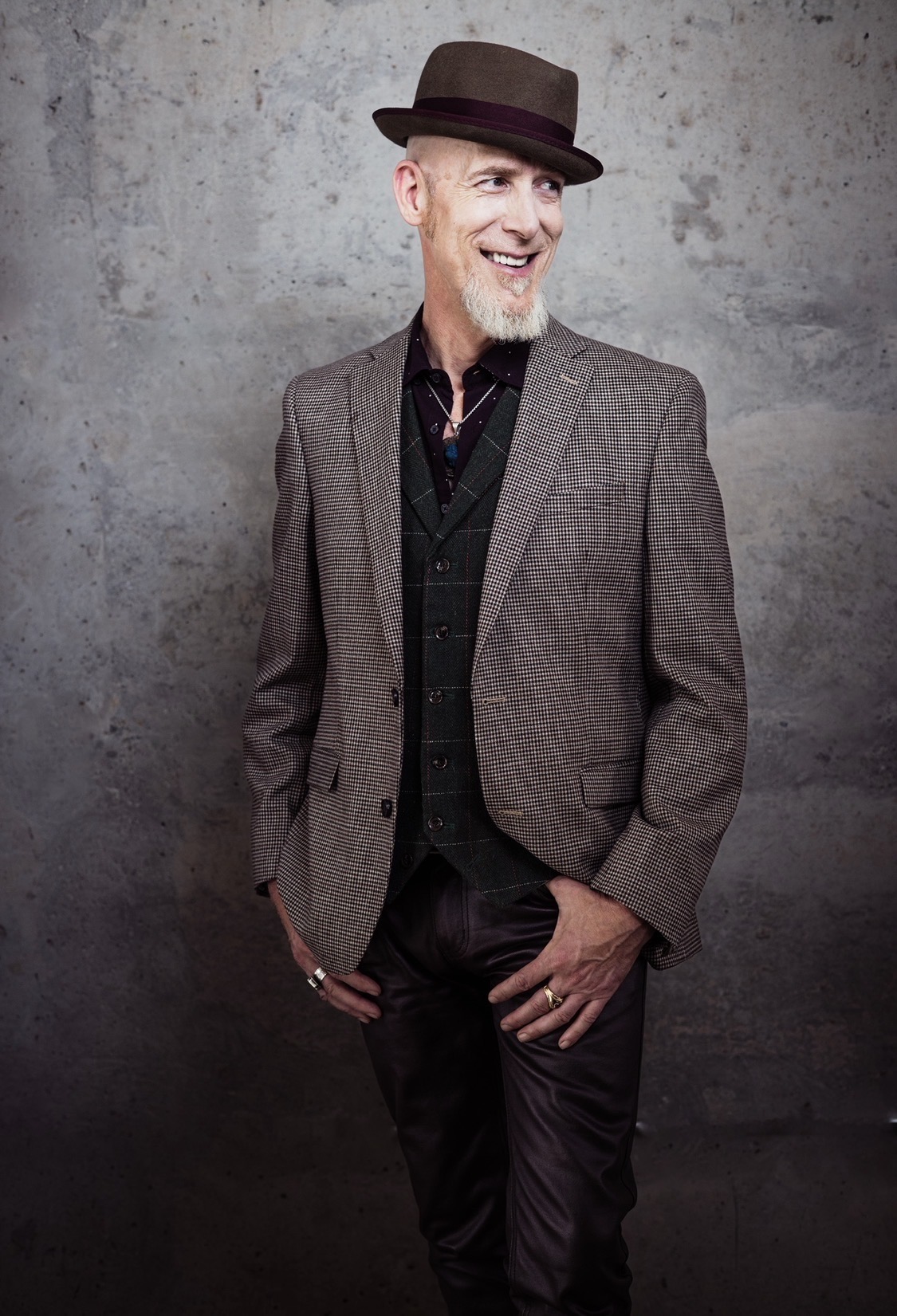
Jimmy Walker
FOUNDER · MYBELVOY
Photo by Lucky Mac Studios